 ASIC Miner Insider
The Best ASIC Miner for Beginners: Budget, Low Noise, and Home Power Guide
Finding the best ASIC miner for beginners requires balancing upfront costs, home electrical limits, and operating noise.
What Makes an ASIC Miner Good for Beginners?
Choosing the best ASIC miner for beginners is about finding the right balance between hardware cost, setup simplicity, and environmental constraints. ASIC (Application-Specific Integrated Circuit) miners are specialized hardware devices designed to perform a single specific cryptographic algorithm. Because of this singular focus, they are significantly more efficient than standard CPUs or GPUs for mining cryptocurrency. However, bringing commercial-grade hardware into a residential setting requires careful planning.
Power Availability and Electricity Costs
Electricity is the lifeblood of crypto mining, and navigating power constraints is the first hurdle for any beginner. Most standard home outlets are not equipped to handle the sustained high wattage drawn by industrial mining rigs. When evaluating hardware, buyers must check their local electrical capacity. Smaller devices designed specifically for residential use are much easier to accommodate, whereas larger units will quickly trip a standard breaker. Beginners should also keep in mind that hardware profitability changes daily based on network difficulty and local electricity rates, so understanding your operational power cost is essential before making a purchase.
Noise Levels and Home Cooling Requirements
ASIC miners generate an enormous amount of heat and require dedicated cooling systems to prevent overheating and hardware failure. Traditional air-cooled models utilize high-RPM fans that produce noise levels comparable to industrial vacuums, making them unsuitable for shared living spaces. To manage this, home miners must either implement soundproofing strategies, use specialized cooling systems like liquid or immersion cooling, or select hardware specifically engineered for quiet environments.
Understanding Mining Efficiency (J/TH)
A common beginner mistake is looking strictly at the total hashing power (the speed at which the machine solves equations) rather than how much power it takes to generate that speed. ASIC miner efficiency is measured in Joules per Terahash (J/TH). This metric indicates the amount of electrical energy required to produce a specific amount of hashing power. A lower J/TH number represents a more efficient machine, which is critical for maintaining profitability during market fluctuations.
Best ASIC Miners for Beginners by Category
Rather than looking for a single perfect machine, beginners should choose hardware based on their specific home environment, budget, and risk tolerance. Here is a breakdown of top hardware choices tailored to different beginner constraints.
Best on a Budget: The Antminer S19 Series
The Bitmain Antminer S19 series is frequently recommended for beginners because of its proven reliability and the widespread availability of replacement parts in the secondary market. Buying a used unit from the S19 series allows new miners to learn the ropes of operation, maintenance, and cooling without taking on the severe financial risk associated with brand-new, top-tier hardware. As an alternative budget option, the Canaan Avalon Q provides a solid entry-level performance of 90 TH/s, offering a more wallet-friendly entry point for those wanting to mine Bitcoin.
Best for Home Use: Mini Miners
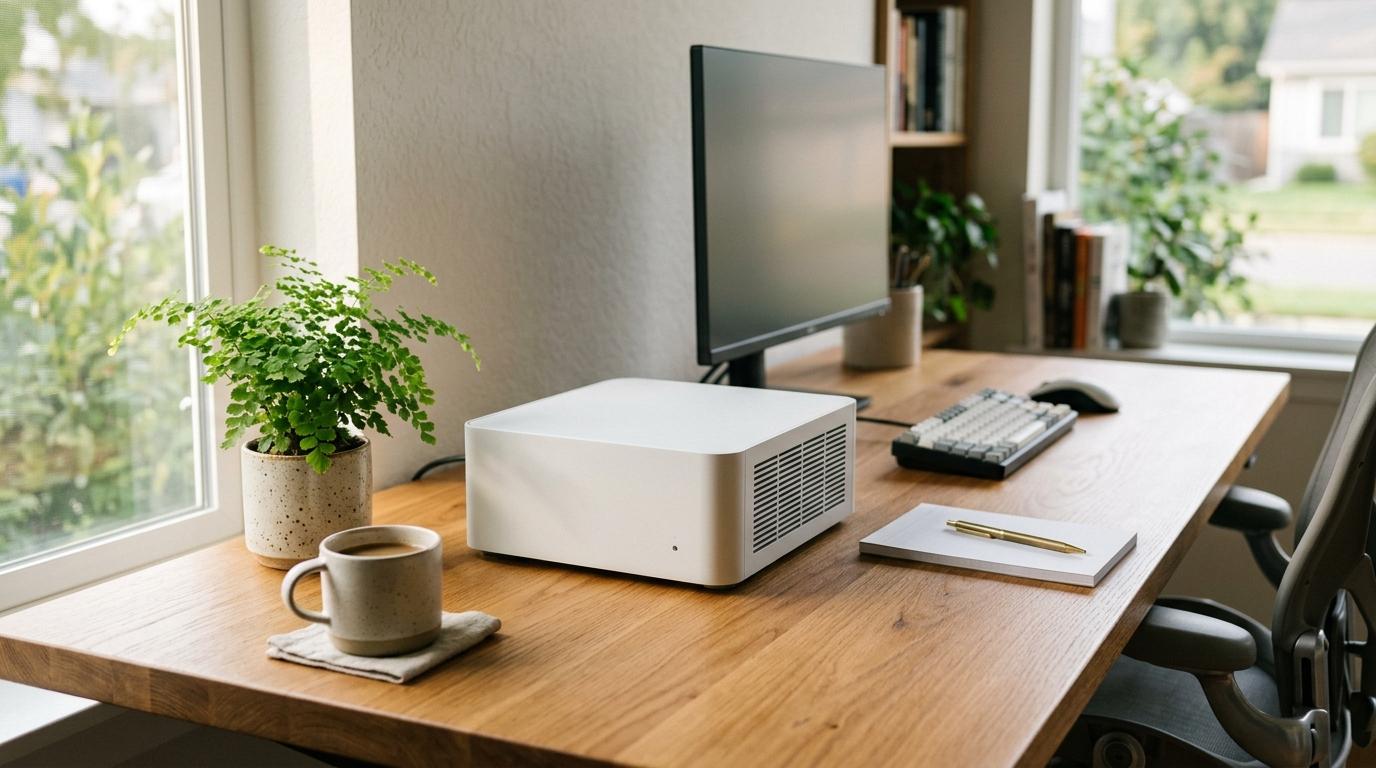
If you live in an apartment or lack a dedicated 220V electrical infrastructure, full-sized miners are generally not an option. Mini ASIC miners are built specifically for home offices. These compact units typically consume under 1,500 watts of power and produce less than 55 decibels of noise. This allows beginners to plug them into standard wall outlets and run them in residential rooms without causing intolerable disruptions or electrical hazards.
Best for Low Noise: Hydro-Cooled Options
For miners who want higher hash rates but cannot tolerate the noise of traditional fans, liquid cooling is the best route. Hydro-cooled ASIC miners, such as the Antminer S21+ Hydro, operate at significantly lower noise levels compared to traditional air-cooled models. While they require a specialized water-cooling infrastructure to operate, they eliminate the need for screaming high-RPM fans, making them highly desirable for residential deployments.
Exploring Beyond Bitcoin: Altcoin Miners
Bitcoin is not the only cryptocurrency that beginners can mine. Exploring alternative algorithms can sometimes offer different hardware options. However, these machines often draw significant power:
- Zcash (Equihash): The Bitmain Antminer Z15 Pro dominates this algorithm, producing 840 KSol/s of hashrate with a heavy power consumption of 2,780 watts.
- Monero (RandomX): For those interested in Monero, the Bitmain Antminer X9 delivers 1 MH/s of hashrate while drawing 2,472 watts of power.
- Litecoin and Dogecoin (Scrypt): The Bitmain Antminer L9 is built specifically for the Scrypt algorithm, allowing users to mine Litecoin and Dogecoin simultaneously.
- Kaspa (kHeavyHash): Hardware manufacturer IceRiver specializes in producing ASIC miners specifically for the kHeavyHash algorithm, catering to users who prefer mining Kaspa (KAS).
Algorithm Compatibility and Setup Basics
Before purchasing any hardware, beginners must understand that ASIC miners are strictly algorithm-locked. This means a machine built for the SHA-256 algorithm (like Bitcoin) cannot be used to mine cryptocurrencies on other algorithms like Scrypt or kHeavyHash. You cannot switch a Bitcoin miner over to mine Kaspa if Bitcoin profitability drops. Choosing your preferred cryptocurrency dictates exactly which family of machines you are allowed to buy.
Frequently Asked Questions
Can I mine any cryptocurrency with my ASIC?
No. ASIC miners are algorithm-locked. A SHA-256 machine can only mine SHA-256 coins, and it cannot be reconfigured for algorithms like Scrypt or RandomX.
How do I measure my miner's electrical efficiency?
Efficiency is measured in Joules per Terahash (J/TH). Always look for a lower J/TH ratio, as it means the machine uses less electricity to produce its hashing power.
Do ASIC miners need special cooling?
Yes. To prevent hardware failure, ASIC miners require dedicated cooling systems, such as high-RPM fans, liquid cooling, or immersion cooling.
Can I run an ASIC miner in my bedroom?
Standard ASIC miners are incredibly loud and produce massive heat, making them unsuitable for living spaces. However, mini ASIC miners that consume under 1,500 watts and output less than 55 decibels are designed for home office environments.
Successfully entering the mining space requires careful evaluation of your home infrastructure. By understanding the electrical limitations of your space, planning for intense heat and noise, and choosing reliable starter hardware like the S19 series or residential mini miners, beginners can establish a stable and educational mining operation.
FAQs
Can I use an ASIC miner to mine any cryptocurrency?
No, ASIC miners are strictly algorithm-locked. For example, a machine built specifically for the SHA-256 algorithm can only mine Bitcoin and cannot be reconfigured to mine coins on other algorithms like Scrypt or kHeavyHash.
How is the electrical efficiency of an ASIC miner measured?
Efficiency is measured in Joules per Terahash (J/TH). A lower J/TH number means the machine uses less electrical energy to produce its hashing power, which is critical for profitability.
Are ASIC miners suitable to run in a bedroom or apartment?
Standard ASIC miners are too loud and produce too much heat for living spaces. However, beginners can use mini ASIC miners in a home office because they:
- Consume under 1,500 watts of power
- Produce less than 55 decibels of noise
What type of cooling do ASIC miners require?
ASIC miners generate an enormous amount of heat and need dedicated cooling systems to prevent hardware failure. Cooling strategies include:
- Traditional high-RPM air-cooling fans
- Liquid or hydro-cooling systems
- Immersion cooling
What are the best budget-friendly ASIC miners for beginners?
For beginners looking to minimize financial risk, the best budget hardware choices are:
- Bitmain Antminer S19 series: Recommended for its proven reliability and easy access to replacement parts.
- Canaan Avalon Q: Offers a wallet-friendly entry point with a solid performance of 90 TH/s.